For artisan cheese makers and affineurs, the aging process is a delicate dance between flavor development and spoilage. Traditional methods—waxing or natural rind formation—require constant monitoring, regular flipping, and meticulous humidity control. One misstep invites unwanted mold, excessive moisture loss, or off-flavors that ruin entire wheels.
Enter vacuum packing. Originally developed for food preservation, vacuum packaging machines have revolutionized cheese aging. When used correctly, they replace the unpredictability of natural rinds with a controlled, sealed micro-environment. This guide to vacuum packing machines for cheese aging provides exact parameters for hard vs. soft cheeses, prevents mold, and extends shelf life in your cheese cave. Whether you manage a 500-wheel cave or a home aging setup, these techniques will transform your results.
Affineurs who switch from wax or natural rinds to vacuum bags cite four game-changing advantages:
Waxed or natural-rind cheeses typically lose 10–12% of their weight during aging due to evaporation. Vacuum-sealed cheese loses less than 1%. For a 10 lb wheel, that's nearly 1 lb of saleable product saved per cheese.
Natural rinds demand weekly turning and brine-washing to control undesirable molds. Vacuum bags create a barrier—no flipping, no washing, no labor.
Clear, high-barrier bags let you monitor color, moisture purge, and any signs of spoilage without breaking the seal. Wax hides everything until you crack it open.
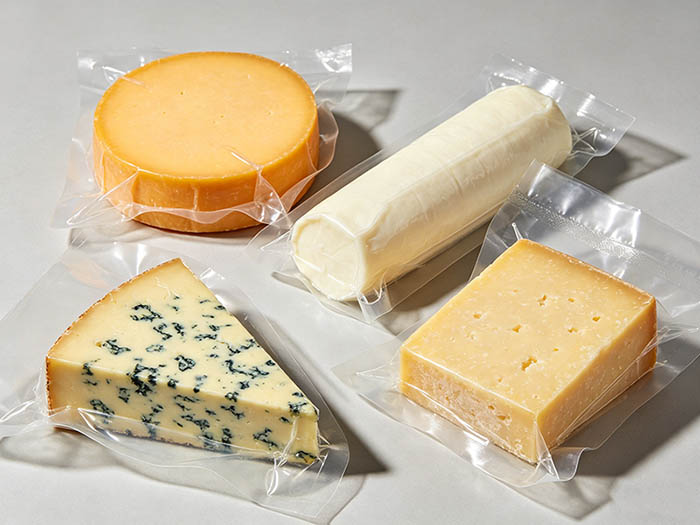
Getting these three parameters right is the difference between perfectly aged cheese and a compressed, leaky disaster.
The biggest mistake beginners make is applying the same vacuum strength to every cheese. Different textures require different pressures.
| Cheese Type | Vacuum Level | Why |
|---|---|---|
| Hard (Parmesan, aged Gouda) | 99% | Dense structure withstands full vacuum; no internal voids to collapse. Removes all oxygen to prevent oxidation. |
| Semi-Hard (Cheddar, Gruyère) | 95% | Leave 5% residual air to cushion the cheese. A full vacuum can force surface cracks. |
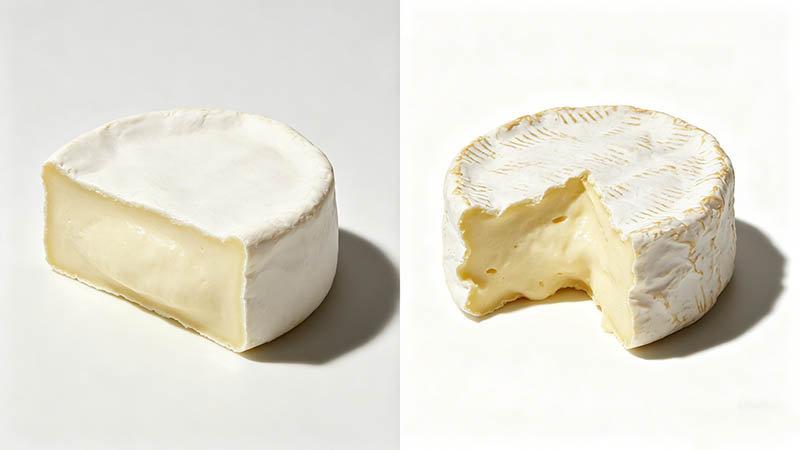
| Soft (Brie, Camembert, fresh chèvre) | 80% + padding | High vacuum collapses the delicate paste and extrudes fat. Use a double-bag method or rigid inserts. |
To prevent cheese mold vacuum pack failures, always match vacuum strength to cheese density.
Standard vacuum sealers default to 1.0–1.5 seconds. For cheese aging, increase to 2.0 seconds minimum. Even better: perform a double seal (seal, wait 2 seconds, seal again 2mm closer to the cheese). This prevents microscopic oxygen channels that slowly ruin wheels over 6–12 months.
Ordinary vacuum bags allow oxygen permeation over time. For aging beyond 3 months, you must use:
High-barrier EVOH (ethylene vinyl alcohol) co-extruded bags
Minimum thickness: 90 microns (3.5 mil)
Nylon outer layer for puncture resistance
Cheaper bags (≤70 microns) develop pinhole leaks from cheese rind edges. Always test a small batch before bagging your entire cave.
Cheddar is ideal for vacuum aging. Follow this protocol:
Wipe the entire wheel with a solution of 3% white vinegar + 97% water. This kills surface molds without introducing off-flavors. Pat dry with lint-free paper towels.
Cut the bag 20% larger than the cheese. Example: a 6" tall wheel needs an 8" bag allowance. Tight bags stress seals.
For cheeses that naturally exude liquid (young cheddar, Colby), place a sheet of food-grade moisture absorber (or a coffee filter) inside the bag, not touching the cheese. This prevents liquid from wicking into the seal area.
Vacuum level: 95%
Seal time: 2.0 seconds
If your machine has "gentle" or "soft air" mode, enable it.
After sealing, run your fingers along the cheese rind through the bag. Any sharp corner that contacts the bag will eventually puncture it. For aged cheddar with cracked rinds, double-bag or use bag-in-box protection.
The following table provides maximum recommended vacuum aging times. Note: vacuum slows but does not stop aging.
| Cheese Type | Max Vacuum Aging Time | Critical Notes |
|---|---|---|
| Fresh Mozzarella (in brine) | 2 weeks | Must be submerged in salted whey or 5% brine inside the bag. Without liquid, vacuum collapses curds within 24 hours. |
| Brie / Camembert | 3 months | Continues to ripen. Check monthly for ammonia odor (over-ripe) or excessive liquid purge. |
| Blue Cheese (Roquefort, Stilton) | 6 months | Vacuum stops oxygen-dependent blue mold growth. Flavor becomes milder, more buttery. Some affineurs prefer this. |
| Cheddar (any age) | 12+ months | Perfect candidate. Vacuum-aged cheddar develops sharp crystals (calcium lactate) cleanly without rind waste. |
| Parmigiano-Reggiano | 24+ months | Flavor concentrates intensely. Expect brown liquid purge—this is normal. Open over a bowl to capture flavorful brine. |
Important: Vacuum packing is not sterilization. If the cheese was contaminated before bagging (e.g., Clostridium tyrobutyricum producing "late blowing"), anaerobic conditions may accelerate spoilage.
Cause: Vacuum pressure squeezed the cheese structure.
Solution: Reduce the vacuum level by 5–10%. For high-moisture cheeses, pre-freeze for 2 hours (not solid, just firm) before vacuum sealing. This prevents purge.
Cause: Gas-producing bacteria are active inside the bag.
Action: Discard immediately. Do not open indoors (spores can contaminate your cave). The cheese is unsafe for consumption.
Cause: The vacuum level is too aggressive for soft or semi-soft cheese.
Solution: Next time, reduce the vacuum by 5–10% and insert a rigid mesh or cheese boat inside the bag to maintain shape. For soft cheese deformation in wrong vacuum cases, switch to chamber vacuum with adjustable pressure curves.
Cause: Contaminated seal area (cheese residue or moisture).
Solution: Wipe seal bars with isopropyl alcohol between batches. Always double-seal. For greasy cheeses (Fontina, Raclette), chill bagged cheese for 1 hour before final seal.
Cheese contains fats and proteins that degrade vacuum machine components over time.
Remove and wash seal bar gaskets with warm, soapy water.
Wipe the vacuum chamber (for chamber machines) with food-grade degreaser.
Check the drip tray; cheese brine is corrosive to aluminum.
Cheese particles can bypass filters and contaminate vacuum pump oil. Signs include: oil turns milky, longer pump-down times, or an oil smell during operation. Change pump oil every 20 operating hours if sealing high-moisture cheese.
Melted cheese residue on seal wires prevents even heating. Use a brass wire brush (machine unplugged) to clean seal bars weekly.
Yes. However, the vacuum removes the oxygen that Penicillium roqueforti needs to grow. The blue veins will not expand further, and the flavor becomes milder and nuttier. Some artisan blue makers vacuum-pack at 6 months to "lock in" a specific flavor profile.
No. Aging continues, but at a slower rate and without surface effects. Enzymatic and microbial activity still occur inside the cheese. Vacuum effectively freezes the rind development while the interior matures.
A chamber machine with interior dimensions of at least 14" x 14" x 5" will accommodate a single 5 lb wheel (approx 7" diameter). For multiple wheels, consider a double-bar chamber machine or a shelf-style vacuum sealer. External "suction" sealers work but require careful bag positioning to avoid sucking liquid into the machine.
Yes, but hard rinds may puncture bags. Double-bag or use a protective liner. Many affineurs remove the outermost rind layer before vacuuming.
Signs of spoilage: bag full of gas (bulging), ammonia or rotting cabbage smell, slimy cheese surface, or mold growth inside the bag (beyond blue cheese). If in doubt, discard.
Vacuum packing is not a blanket solution for every cheese. For soft-ripened and fresh cheeses, traditional aging still produces superior results. But for hard and semi-hard cheeses—Cheddar, Gouda, Parmesan, Gruyère—vacuum technology is revolutionary. You'll save weight, eliminate labor, and produce a cleaner, more consistent product.
The key is matching parameters to cheese type: high vacuum for dense wheels, reduced pressure for softer textures, and always double-sealing with high-barrier EVOH bags. When you dial in your cheese vacuum sealer settings, your cave management transforms from reactive mold-fighting to proactive aging.
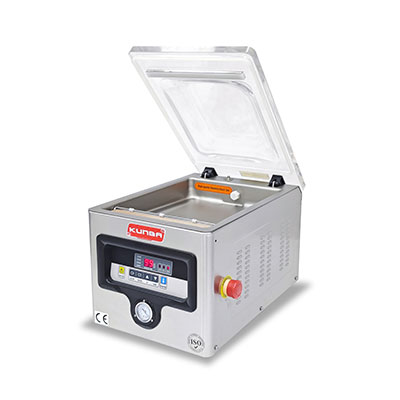
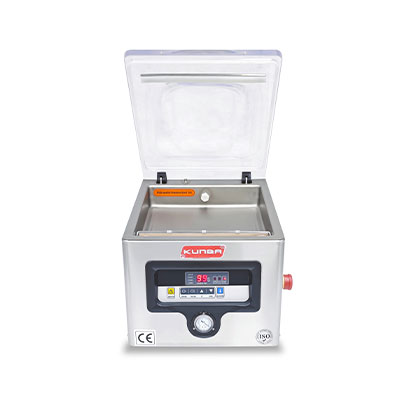
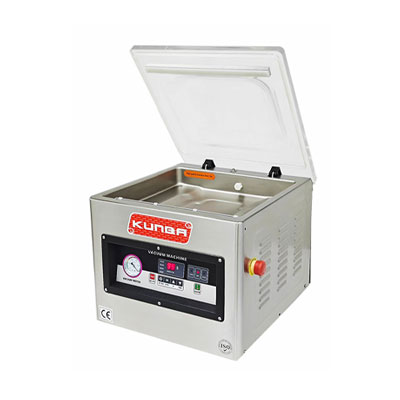
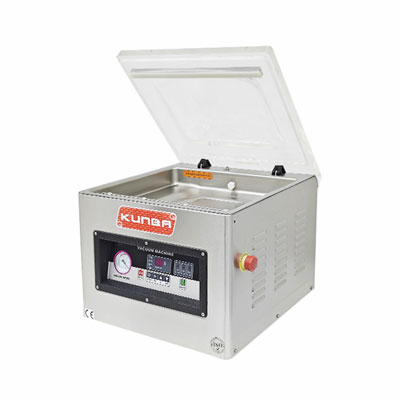
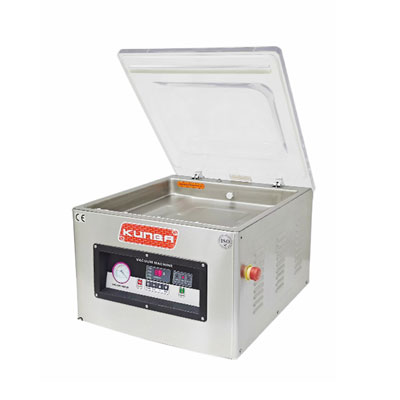
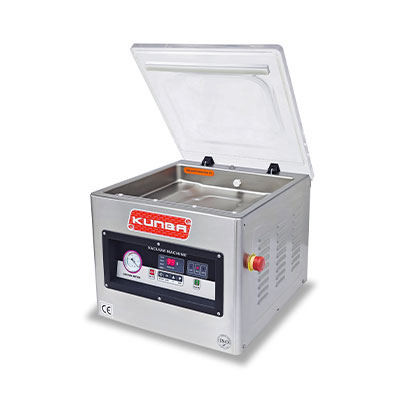
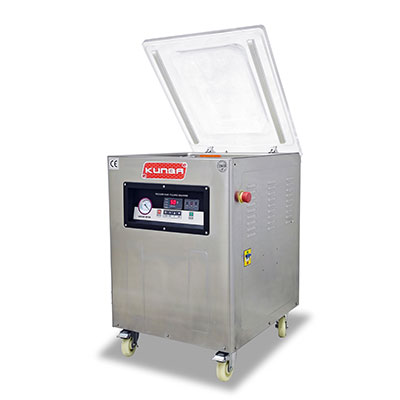
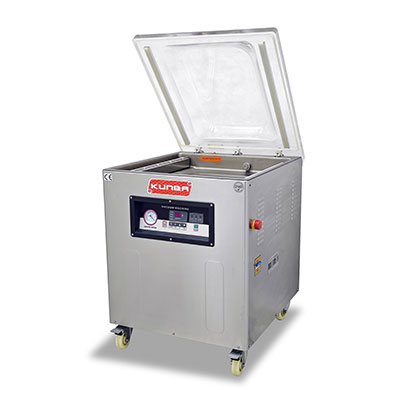
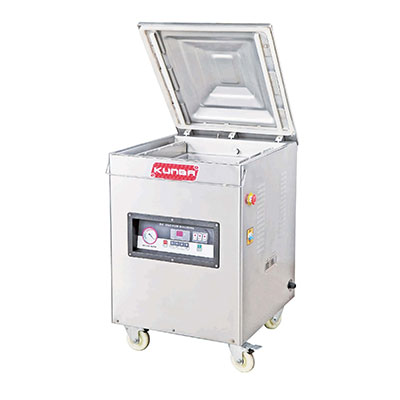
For cheese makers who need precision control—especially those aging multiple cheese types simultaneously—programmable vacuum machines with multi-stage curves are essential. KUNBA offers chamber vacuum sealers with adjustable vacuum levels, soft-air modes, and stored programs for different cheese densities. Whether you're aging 5 lb test wheels or 50 lb production batches, the right vacuum packing machine pays for itself in saved cheese and reduced labor.

GET A QUOTE

 中文
中文 English
 Français
 Español
 Português