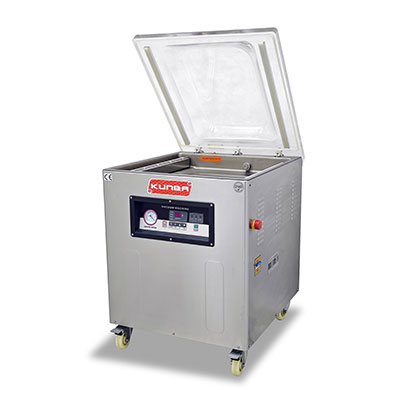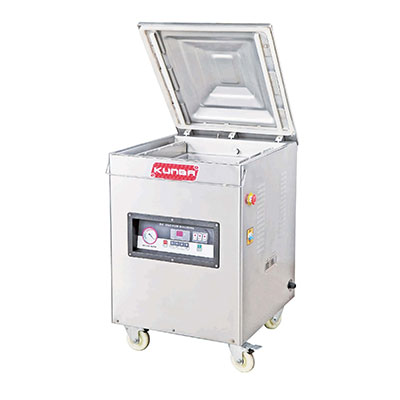
Vacuum packaging is an excellent way to extend the shelf life of dry powders and spices—flour, chili powder, ground coffee, protein powder, seasoning blends, and more. But there’s a catch: fine powders are the nemesis of vacuum pumps.
When you vacuum seal powdery ingredients, the suction can pull fine dust particles into the pump. Over time, this leads to abrasive wear, oil contamination, filter clogging, and even complete pump failure. For flour mills, spice processors, coffee roasters, and seasoning manufacturers, this isn’t just an inconvenience—it’s a costly production problem.
The good news? With the right techniques, you can vacuum pack powders without damaging your equipment. This article covers five proven methods to prevent powder from entering your vacuum pump, protect your machinery, and maintain packaging quality.
Before diving into solutions, it helps to understand exactly what you’re up against.
When fine powder particles mix with vacuum pump oil, they form an abrasive paste. This grinding compound accelerates wear on pump blades, cylinders, and internal components. In severe cases, accumulated particulates can fill the running clearance between rotor and stator elements, leading to complete pump seizure.
Powder particles clog inlet filters and airflow channels. As the filter becomes blocked, suction speed drops, and the pump may fail to reach the preset vacuum level. This leaves residual air in packaging bags, compromising product freshness and shelf life.
Powder that settles on the sealing area prevents proper heat transfer during the sealing process. Even a thin layer of dust can create weak seams, unsealed corners, or complete seal failure—ruining the package and wasting product.
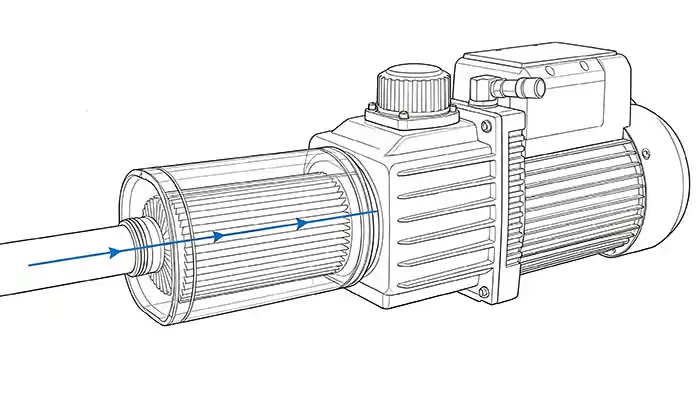
This is the single most important measure you can take. An inlet filter captures powder particles before they ever reach the vacuum pump.
Filtration precision: 5–10 microns. This captures over 99% of dust particles while maintaining adequate airflow.
Filter media options:
Paper cartridges: High efficiency in dry conditions; must be replaced when full.
Polyester/stainless steel cartridges: Washable and reusable, better for moisture resistance.
Housing: Choose a filter with a transparent housing so you can visually inspect for clogging.
Install the filter on the vacuum line between the chamber and the pump inlet. For dusty applications like powder packaging, this is non-negotiable.
Pro tip: Some advanced filter devices feature a two-stage design—a coarse filter grid (1–2mm pore size) at the front end to catch large debris, followed by a fine micron-level filter screen.
A gentle vacuum ramp-up prevents powder from becoming airborne in the first place.
Instead of full suction from the start, the pump operates at reduced power for the first few seconds. This gives the powder time to settle rather than being forcefully drawn toward the vacuum port.
Recommended approach:
First 3–5 seconds: Run at 20–30% power
Remaining cycle: Run at full power to reach target vacuum
Not all vacuum sealers support multi-stage vacuum programming. Look for machines with:
Adjustable speed settings
Programmable vacuum curves
MOIST/WET settings—these typically use slower evacuation to prevent liquid and powder from being sucked in
For granular materials like flour and spices, gentler vacuum settings are essential to prevent dust dispersion.
How you position the bag inside the vacuum chamber makes a significant difference.
Place the bag with the opening folded upward, so the open end faces the top of the chamber. Because powder particles are heavier than air, gravity keeps them settled at the bottom of the bag rather than being drawn toward the vacuum port at the top.
Do not overfill the bag. Fill only 1/2 to 2/3 full, leaving at least 3 inches of open space at the top. This gives the air room to evacuate without carrying powder along with it.
Additional positioning tips:
Keep the bag opening clean and dry before sealing
Fold the bag opening outward while filling, then unfold it once the top edge is still clean
Use the smallest practical pouch size for your portion
This technique reduces dust by making the powder surface slightly moist—just enough to prevent particles from becoming airborne.
Best for powders that can tolerate minimal moisture exposure without clumping or spoiling:
Flour
Milk powder
Some spice blends
Not suitable for: hygroscopic powders, powders that dissolve easily, or products sensitive to moisture.
Place the powder in a high-humidity environment for 15–30 minutes before packaging. The surface particles absorb just enough moisture to stay put during evacuation.
Important: Monitor carefully to prevent:
Clumping
Spoilage
Quality degradation
For products like milk powder, this technique can be highly effective in reducing dust.
For extremely fine powders, a two-bag system provides an extra layer of protection.
Place the powder inside a breathable bag (non-woven fabric, paper, or coffee filter) first, then put that bag inside the outer vacuum bag.
How it works:
The breathable inner bag blocks powder particles while allowing air to pass through
The outer vacuum bag provides the airtight seal
Cocoa powder
Icing sugar / powdered sugar
Protein powder
Finely ground spices
Alternative: Place a coffee filter or paper towel at the top of the bag, above the powder level. This acts as a barrier during the vacuum cycle.
Ground coffee presents unique challenges—it's fine enough to create dust but also prone to over-compaction under high vacuum. Here's a proven workflow:
| Powder Type | Recommended Methods | Special Considerations |
|---|---|---|
| Flour | Slow vacuum + powder filter | Avoid compressing too tightly |
| Chili powder | Bag opening up + filter | Wear gloves; avoid skin contact |
| Ground coffee | Slow vacuum + low vacuum (85%) | Prevent compaction into solid block |
| Milk powder | Double bagging + light dampening | Extremely fine; dampening is highly effective |
| Icing sugar | Inner bag + filter | Ultra-fine particles; inner bag is essential |
| Spice blends | Filter + bag positioning | Check for oil content |
For high-density powders and spices, consider Modified Atmosphere Packaging (MAP) solutions with high-barrier EVOH liners to preserve aroma, color, and flavor while preventing lumping.
Protecting your equipment doesn't stop at the packaging process. Regular maintenance is critical.
Clean the chamber interior with a vacuum cleaner or compressed air
Wipe down all surfaces to remove any residual powder
Inspect the powder filter—check for visible clogging through the transparent housing
Remove and clean or replace the filter element as needed
For washable cartridges: clean with compressed air or wash and allow to dry completely before reinserting
Check the vacuum pump oil color:
Clear/light amber = healthy
Gray/black = contaminated with powder
If oil appears discolored, drain and replace immediately
Inspect for signs of abrasive wear on internal components
Note: Filters should generally be checked monthly and replaced every 6–12 months—or sooner if performance declines.
Yes, but with precautions. External (suction-type) sealers are more prone to pulling powder into the pump because suction is applied directly through the bag opening. Use a coffee filter or paper towel inside the bag as a barrier. Chamber vacuum sealers are generally preferred for powders because air is evacuated from the entire chamber, not pulled aggressively through the bag opening.
If powder has already entered the pump:
Drain the contaminated oil
Flush the pump mechanism with clean oil to remove residues
Replace the oil with fresh, clean oil
Install an inlet filter immediately to prevent recurrence
Prevention is always better than cure. Regular filter maintenance is far less expensive than pump replacement.
Multi-layer barrier films with high oxygen and moisture barrier properties. Look for:
EVOH liners—excellent oxygen barrier
Metalized films—good for light-sensitive spices
Nylon/polyethylene laminates—strong and puncture-resistant
For vacuum packaging, use textured or channel bags that allow air to evacuate from between layers.
Vacuum packaging dry powders and spices doesn't have to damage your equipment. The key takeaways:
Install an inlet powder filter —this is non-negotiable
Use slow/gentle vacuum settings to prevent powder from becoming airborne
Position the bag with the opening upward and leave plenty of headspace
Consider dampening or using an inner bag
With these five methods, you can protect your vacuum pump, maintain consistent packaging quality, and extend the shelf life of your powdered products—all while avoiding costly downtime and repairs.
For industrial-scale operations, consult with equipment manufacturers about integrated filtration systems and customized vacuum programs for your specific powder types.

GET A QUOTE

 中文
中文 English
 Français
 Español
 Português