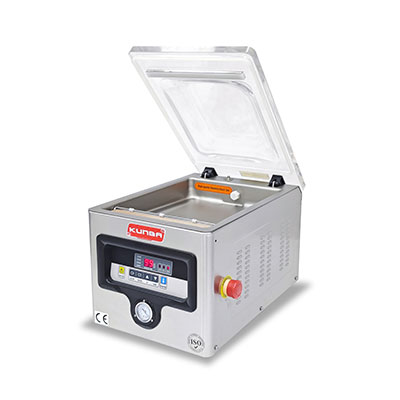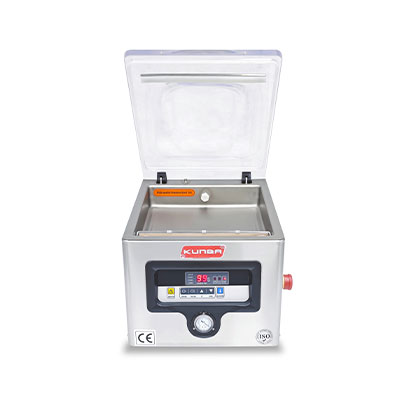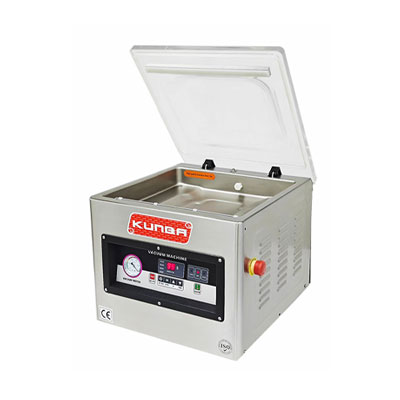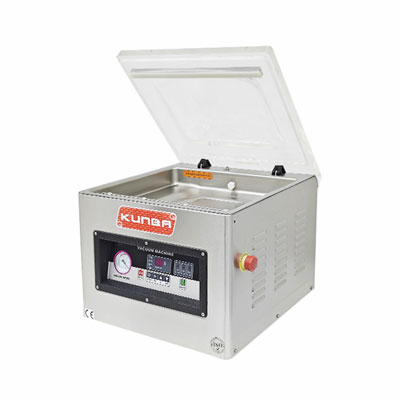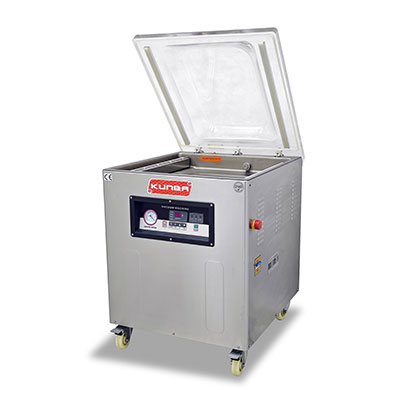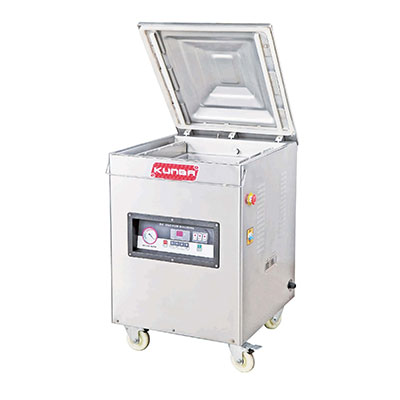
A pump that never shuts off is more than just an annoyance. It generates deafening noise, wastes electricity, and drives up your facility’s operating costs. Left unchecked, continuous overrun can overheat the motor, degrade internal pump components, and ultimately lead to premature motor burn‑out — expensive downtime no plant can afford.
The good news is that 90 % of “pump won’t stop” failures trace back to just two or three components. By following the four diagnostic checks below — ordered from most likely to least likely — you can pinpoint the culprit in minutes and get your machine cycling properly again.
Before tearing into electrical panels, do the obvious: watch the vacuum gauge during a cycle.
If the gauge needle rises slowly or never reaches the normal setpoint — the pump is fighting a vacuum leak or the pump itself is weak.
If the needle reaches the setpoint but the pump still runs — skip to the control logic is at fault.
Even a microscopic leak can prevent a high‑speed machine from reaching target pressure. Common leakage points include:
Chamber lid gasket
Vacuum hose
Solenoid valve
Bag seals
Quick test: With the pump running, listen carefully for a “hiss” near the lid seal, hose connections, and valve bodies. Or, conduct a simple decay test: run a cycle, stop the pump manually, and watch how fast the vacuum gauge drops. A rapid drop confirms a leak.
If there is no obvious leak but the pump still struggles to reach setpoint:
Check pump oil level and quality. Low or contaminated oil reduces ultimate vacuum and increases run time. Top up with the specified oil; if the oil is dark, milky, or smells burnt, drain and replace it.
Inspect the intake filter. A clogged inlet filter creates resistance, forcing the pump to work harder while moving less air. Clean or replace the filter element.
Listen for unusual noise. Screeching, knocking, or excessive vibration may indicate worn vanes or a failing coupling — conditions that severely compromise pumping speed.
If the oil, filter, and leaks all check out, the pump itself may need professional overhaul.
The vacuum switch is the brain of the shut‑off system. It monitors chamber pressure and, when the preset vacuum level is achieved, opens its internal electrical contacts to cut power to the pump. If those contacts stick closed, the pump receives a continuous “run” signal even after full vacuum is reached.
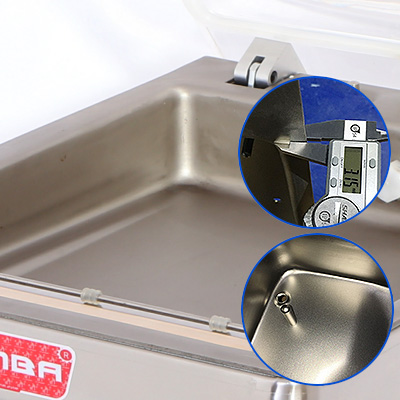
How to test the vacuum switch:
Power off and isolate the machine.
Locate the vacuum switch — typically mounted near the chamber or on the control board.
Disconnect the two wires leading to the switch.
Set a multimeter to continuity mode. Place one probe on each switch terminal.
Read the multimeter with the switch in its rest state: A functioning switch should show continuity. If it reads open, the switch is already failed open — but that usually causes a pump that never runs, not one that runs continuously.
Run a test cycle while watching the multimeter. At the moment the vacuum reaches the setpoint, the switch should audibly click and the multimeter go from continuity to open.
If the switch always shows continuity or never clicks, the internal contacts have welded shut — a phenomenon sometimes called “micro‑welding.”
Fix: Replace the vacuum switch with an exact‑match replacement. Costs typically range from $25–50 for common packaging machines.
Some packaging machines use a control relay between the vacuum switch and the pump motor. The relay acts as a power amplifier: the vacuum switch energizes the relay coil, and the relay’s contacts close to start the motor. If the relay contacts weld shut, the pump will run even after the vacuum switch opens properly.
Vacuum switch tests good, but the pump still runs.
You hear the vacuum switch click at the correct point, yet the motor continues.
With the pump running, measure the voltage across the relay coil terminals.
If the coil is receiving voltage but the contacts are stuck closed — the relay is faulty.
If the coil has no voltage, but the pump still runs — the relay contacts are definitely welded shut.
Remove the relay and test it out of circuit. Check continuity between the load terminals with the coil de‑energized. A good relay reads open; a stuck relay reads short.
Fix: Replace the relay with an identical component. Relay contacts commonly weld due to high in‑rush current of the motor start — using a relay with a higher contact rating can improve longevity.
If both the vacuum switch and relay test good, the fault may lie on the main control PCB — specifically the switching device that drives the pump. On modern electronic machines, this is often a triac or a power transistor.
The pump runs continuously even with the vacuum switch disconnected entirely; The switch and relay both function correctly in isolation, but the pump never shuts off.
How to diagnose: This requires experience with electronic troubleshooting. A triac that has failed shorted will pass current continuously regardless of the gate signal.
Fix: For most maintenance technicians, the safest and most cost‑effective approach is to replace the entire control board. Sourcing a specific replacement triac and soldering it on‑board is usually impractical without a proper electronics workbench.
If your pump has been running non‑stop for several minutes and you smell a burnt odor or hear unusual grinding, act immediately to prevent permanent damage.
1. Do not try to block the pump inlet with your hand or a stopper. Sealing the intake while the pump is running can generate extreme internal pressure, cracking the pump housing or bursting a hose.
2. Instead, cut main power at the wall outlet or the machine’s main disconnect switch.
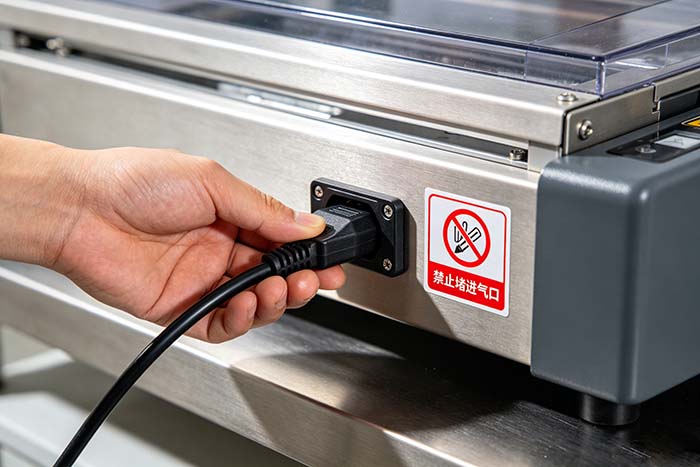
3. If the machine has a dedicated motor circuit breaker, flip it to the OFF position.
4. Allow the pump to cool completely before performing any repairs.
WARNING: Even after cutting power, the motor casing may remain extremely hot — use heat‑resistant gloves if you need to inspect the pump body.
Stop the problem from recurring with these two simple habits:
Weekly vacuum switch test: Set the machine to a lower vacuum setpoint and run a cycle. Verify that the pump stops precisely at that point and the switch clicks audibly. This takes 30 seconds and catches a failing switch before it leaves you with a continuous‑run disaster.
Keep the electrical enclosure dry and clean: Humidity and dust accelerate contact oxidation and relay corrosion. Periodically inspect the relay and switch terminals — if you see dark, tarnished contacts, it is time for a replacement.
Regular pump maintenance: Check oil level and condition every month. Replace inlet filters according to the manufacturer’s schedule.
Q1: Can a leaking hose cause the pump to run continuously?
Yes. If a hose develops a crack or loose connection, the vacuum system can never reach the required setpoint. The pump will run indefinitely trying to overcome the leak, even though all electrical controls are functioning perfectly.
Q2: How much does a vacuum switch cost?
Replacement vacuum switches for commercial packaging machines typically cost between $25 and $50 depending on the brand and pressure range. Industrial‑grade switches with higher cycle life may be $70–100.
Q3: Is it safe to run the pump continuously for hours?
No — not for most packaging machines. Although many industrial vacuum pumps are rated for continuous duty, the packaging machine’s control system assumes the pump will only run for short cycles. Running the pump for hours will lead to overheating, rapid oil degradation, and eventual motor burn‑out. As a rough guideline, limit continuous run time to 20 minutes maximum in an emergency.
When a vacuum packaging machine pump refuses to stop, resist the urge to blame the motor or the main power supply. The source is almost always electrical control components — most commonly the vacuum switch, followed by a stuck relay.
Verify that the pump can actually reach the setpoint.
Test the vacuum switch with a multimeter — replace it if the contacts never open.
Check the relay — replace it if the coil has no voltage but the pump still runs.
Only after exhausting those three, look toward the control board.
With these four checks, you can repair 95 % of continuous‑run issues in under an hour — often with a $30 vacuum switch and a screwdriver.
Need a replacement vacuum switch or relay? Visit the KUNBA Spare Parts Store for genuine components with included installation diagrams.

GET A QUOTE

 中文
中文 English
 Français
 Español
 Português