In food packaging, preservation performance is never determined by shelf life alone. Product appearance, texture, transportation durability, equipment investment, and regulatory compliance all influence whether a packaging system is truly effective. For many processors, the debate comes down to two technologies: vacuum packaging machines and modified atmosphere packaging (MAP) equipment.
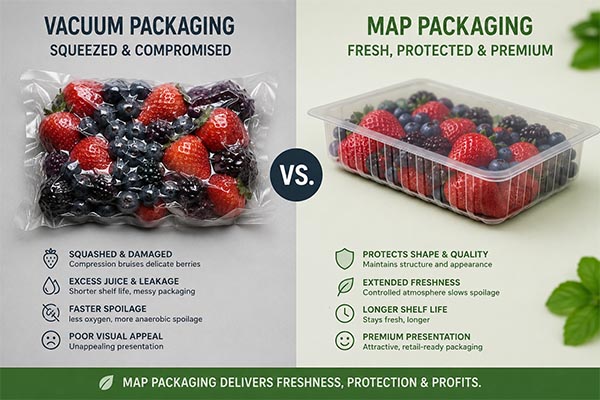
Vacuum packaging is simple, affordable, and widely used across meat, cheese, seafood, and prepared foods. But it can crush delicate products and alter product appearance. MAP packaging, on the other hand, protects fragile foods and allows manufacturers to customize gas mixtures for different products — although the equipment is more expensive and operationally complex.
This guide compares vacuum packaging and MAP systems from four practical perspectives:
If you are evaluating packaging upgrades for a food production line, this comparison will help determine which technology preserves better for your specific products.
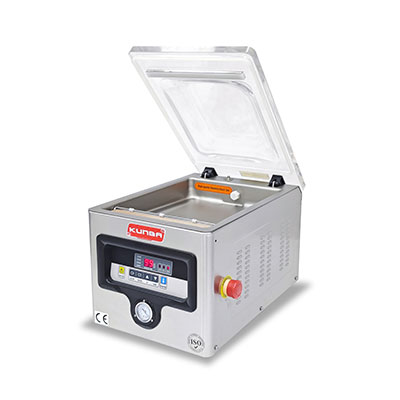
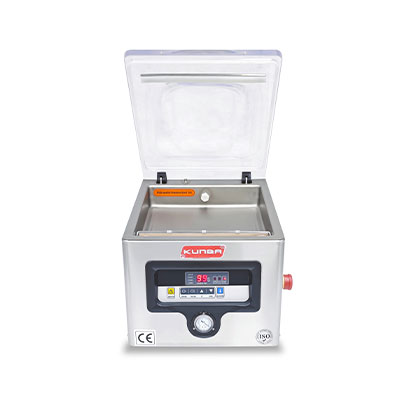
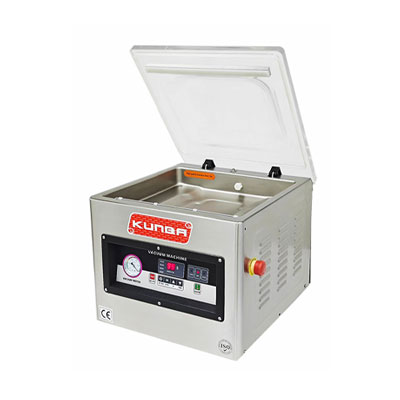
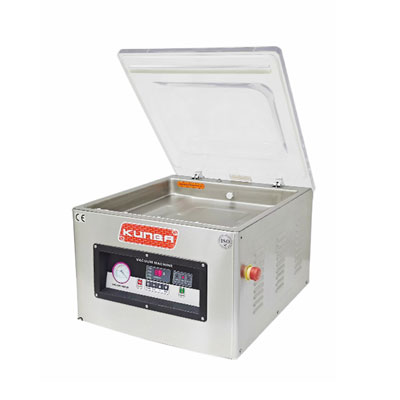
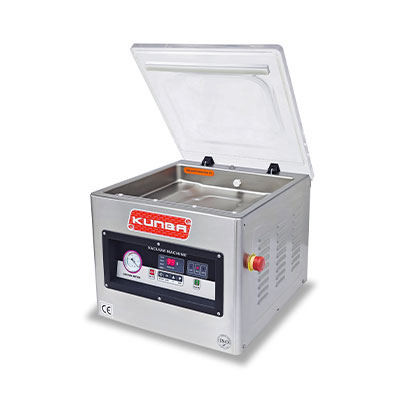
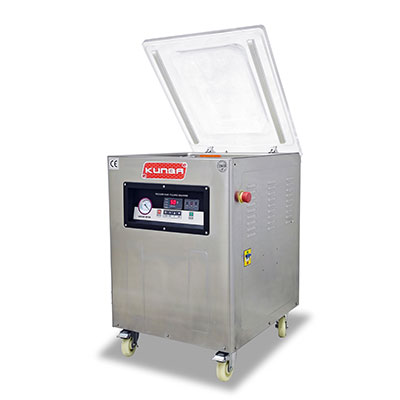
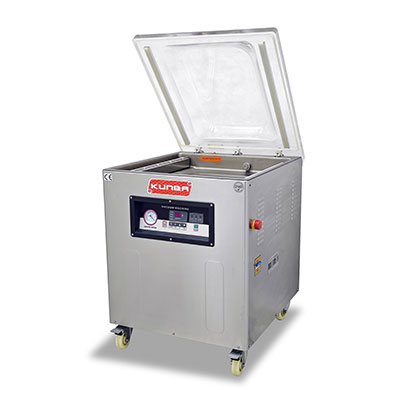
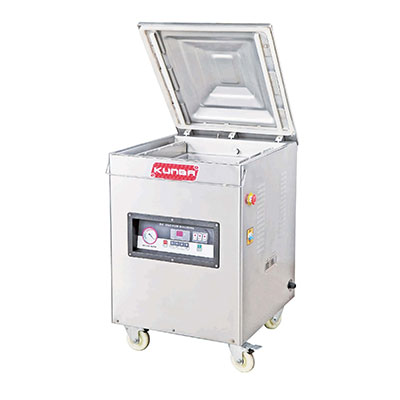
A vacuum packaging machine removes air from the package before sealing it. Once oxygen is removed, the package tightly conforms to the product surface.
Vacuum packaging is commonly used for fresh meat, Cheese, Seafood, processed meats, Frozen products, and coffee beans.
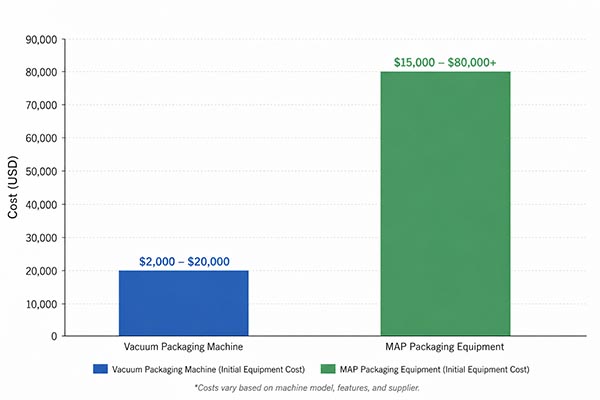
Vacuum packaging machines are relatively affordable compared to MAP systems. Entry-level chamber vacuum machines can start around $2,000, while larger industrial systems may reach $20,000 or more.
Most vacuum systems require only:
No external gas supply or gas mixing system is necessary.
Vacuum packaging effectively suppresses aerobic microorganisms, making it ideal for many protein products and shelf-stable foods.
Because air is completely removed, the package collapses tightly around the product. This can damage:
Fresh red meat often darkens under vacuum because oxygen is removed. Consumers may associate the darker color with reduced freshness even when the product remains safe.
Sharp bones or shells can puncture vacuum bags unless thicker or puncture-resistant materials are used.
Modified atmosphere packaging for food works differently. Instead of simply removing air, the system replaces it with a controlled gas mixture.
A typical MAP cycle includes:
Common gases include:
Different foods require different gas ratios.
For example:
MAP systems require additional components such as:
Industrial MAP equipment commonly ranges from $15,000 to $80,000 or more.
Nitrogen and CO2 consumption create recurring operational costs.
Gas calibration, leak testing, and analyzer verification add maintenance requirements beyond standard vacuum pump servicing.
The shelf life comparison between MAP vs vacuum packaging depends heavily on the product category.
| Product | Vacuum Packaging | MAP Packaging | Unpackaged |
|---|---|---|---|
| Fresh ground beef | 8–12 days | 14–21 days | 3–5 days |
| Sliced ham | 30–45 days | 20–30 days | 10–15 days |
| Fresh salad greens | Not suitable | 10–14 days | 3–5 days |
| Coffee beans | 6–12 months | 6–12 months | ~2 weeks |
Products like: Leafy greens, Strawberries, Blueberries, Fresh-cut produce.
benefit significantly from MAP because the package maintains structural protection.
For dense protein products like sliced ham or cheese, vacuum packaging often delivers excellent shelf life at much lower cost.
Coffee preservation depends heavily on oxygen removal, but compression is less critical. Both vacuum packaging and nitrogen packaging machines can achieve long shelf life.
In many coffee applications, gas flushing is used primarily to prevent package collapse rather than to dramatically extend shelf life.
When comparing total ownership cost, MAP systems are substantially more expensive than standard vacuum packaging machines.
| Category | Vacuum Packaging Machine | MAP Packaging Equipment |
| Initial equipment cost | $2,000 – $20,000 | $15,000 – $80,000+ |
| Gas supply required | No | Yes |
| Gas analyzer needed | No | Yes |
| Maintenance complexity | Low | Medium to high |
| Operator training | Basic | Moderate |
| Consumable costs | Bags only | Bags + gases |
Typical maintenance tasks include:
Maintenance is generally straightforward.
MAP systems require additional attention to:
If gas mixtures drift outside specification, shelf life performance may decline rapidly.
Not all foods tolerate vacuum pressure well.
Here are the most common product categories that perform poorly under full vacuum conditions.
For these products, MAP or gas flush packaging is often the better solution.
Some processors need a solution between standard vacuum packaging and full MAP systems.
This is where a gas flush vacuum sealer becomes useful.
These systems:
Unlike full MAP systems, they do not always require precise gas ratio control.
Gas flush systems are commonly used for: Coffee beans, Potato chips, Nuts, Granola, Fragile dry snacks.
They are not a full replacement for advanced MAP applications where exact gas ratios are critical for microbiological control.
Many food companies hesitate to invest in MAP equipment because of the higher upfront cost.
However, product loss reduction can justify the investment surprisingly quickly.
Consider a premium berry producer:
| Metric | Vacuum Packaging | MAP Packaging |
| Annual sales volume | $200,000 | $200,000 |
| Product damage rate | 15% | 2% |
| Annual product loss | $30,000 | $4,000 |
In this example:
MAP becomes attractive when:
For lower-value or durable products, standard vacuum packaging often delivers better overall economics.
Sometimes, but not always.MAP applications often require films with specific gas barrier properties. Standard vacuum bags may not provide the correct oxygen transmission rate (OTR) needed for controlled atmosphere preservation. Always verify film compatibility before converting a vacuum system to MAP use.
MAP is not universally required, but packaging methods for meat products must comply with USDA and FDA labeling, oxygen control, and food safety regulations. Some fresh meat applications specifically use oxygen-rich MAP to maintain retail color stability.
The answer depends on the full packaging system. Vacuum packaging may use less material and fewer resources overall because the equipment is simpler and no gas supply is required.
However, if MAP significantly reduces food waste, its environmental impact may actually be lower in certain applications. In food packaging, preventing spoilage often has a larger sustainability impact than packaging material differences alone.
There is no universal winner in the vacuum packaging machine vs MAP packaging equipment debate.
The best solution depends on the product itself. Before investing in new packaging equipment, evaluate:
The right preservation technology is not simply the one with the longest shelf life — it is the one that delivers the best balance of product quality, operational efficiency, and profitability.
KUNBA provides both vacuum packaging machines and hybrid gas flush systems designed for different food preservation requirements, from basic oxygen reduction to advanced modified atmosphere packaging applications.

GET A QUOTE

 中文
中文 English
 Français
 Español
 Português